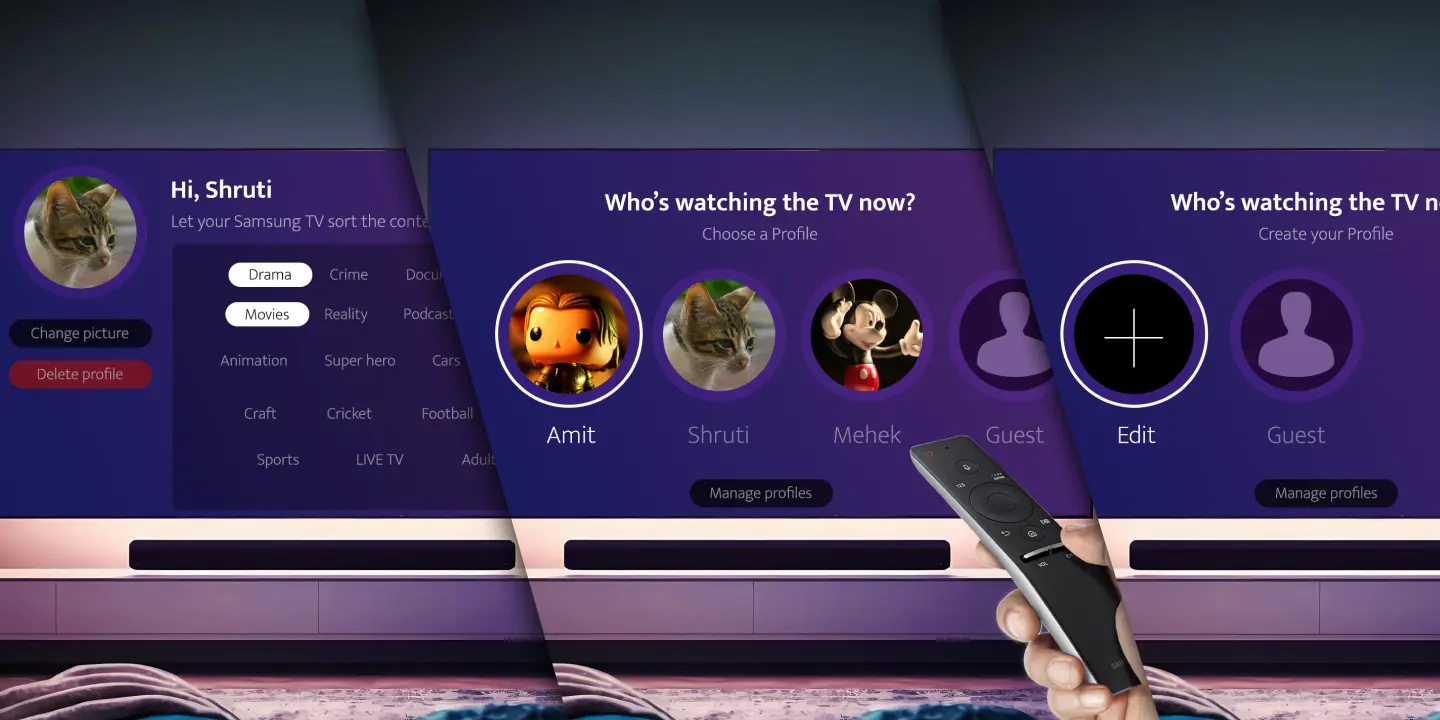

Samsung TV UX Solutions
2017 | INDIA
Brief
Young urban population is growing and they needed smarter TV solutions for Indian household. Conduct research and develop concepts and prototypes with the tech team in Samsung, Noida, India for Indian users of Samsung Smart TVs and non-Smart TVs.
My Role
Chief Designer (Sr Product Designer)
Contribution in UX research and UI/UX design for Solutions for Indian Samsung TV users. Collaboration with the Design team, TV Tech & R&D team of Samsung TVs.
Other team members:
2 Sr Product Designers
1 Design Researcher
Problem Summary
Gap: People wanted a smarter experience from their TVs. They felt the current experience wasn't smart enough.
Opportunity: Many household started having multiple TV sets and there was a need of personalisation and multiple profiles.
Solution Summary
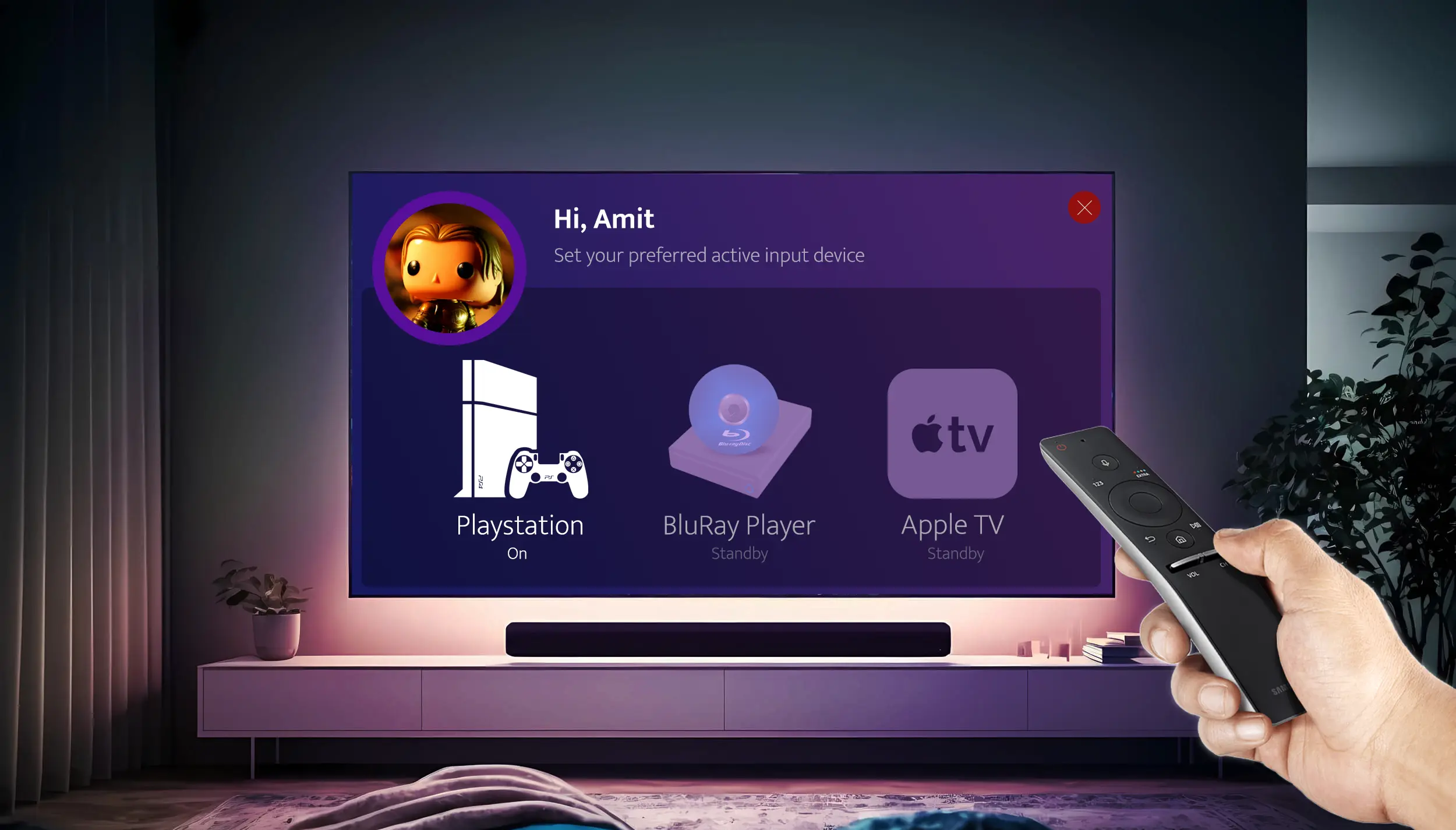
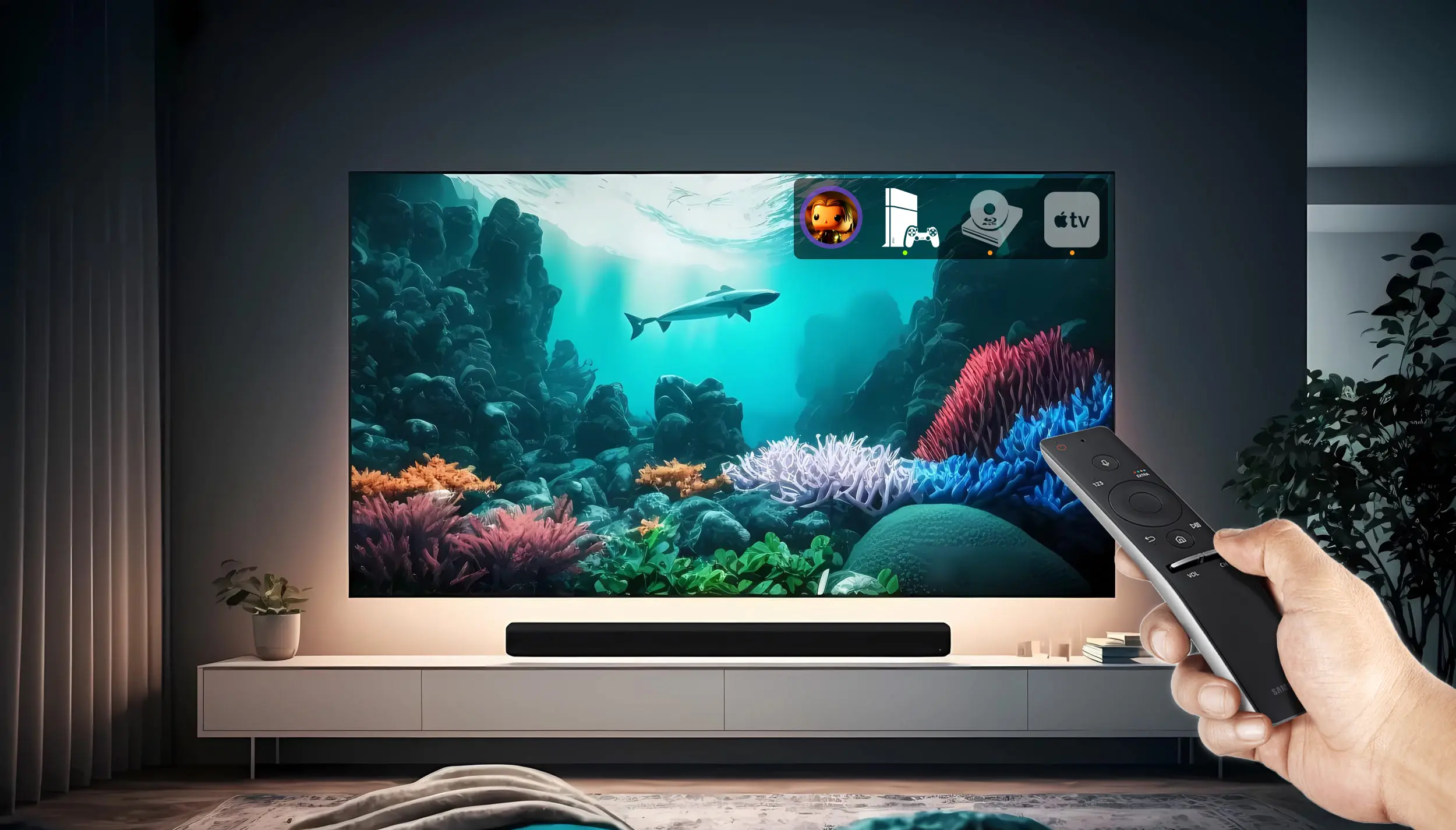
2 UX solutions : Omni Profile and Multi View : for developing into market ready solutions for Samsung TVs
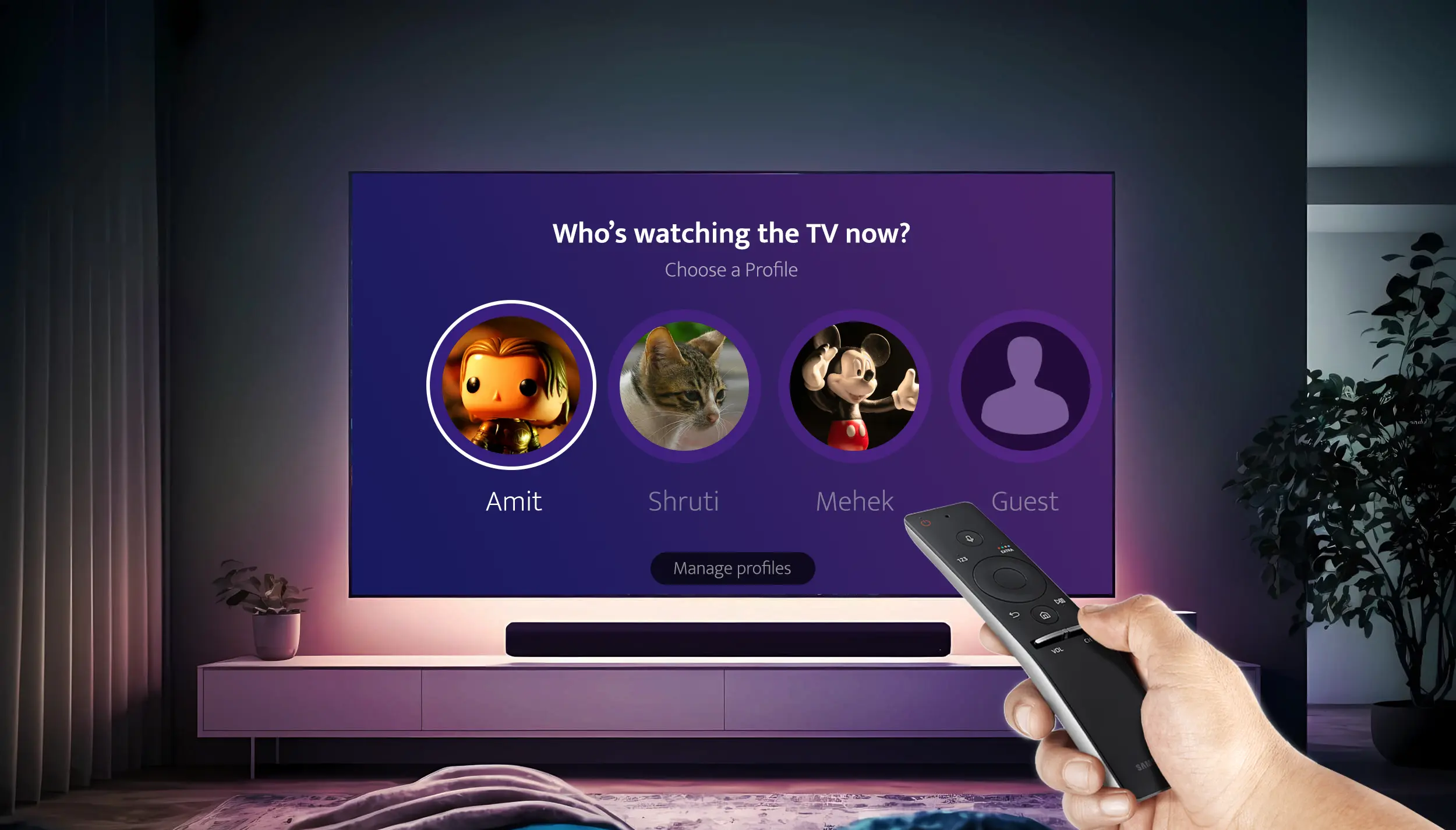
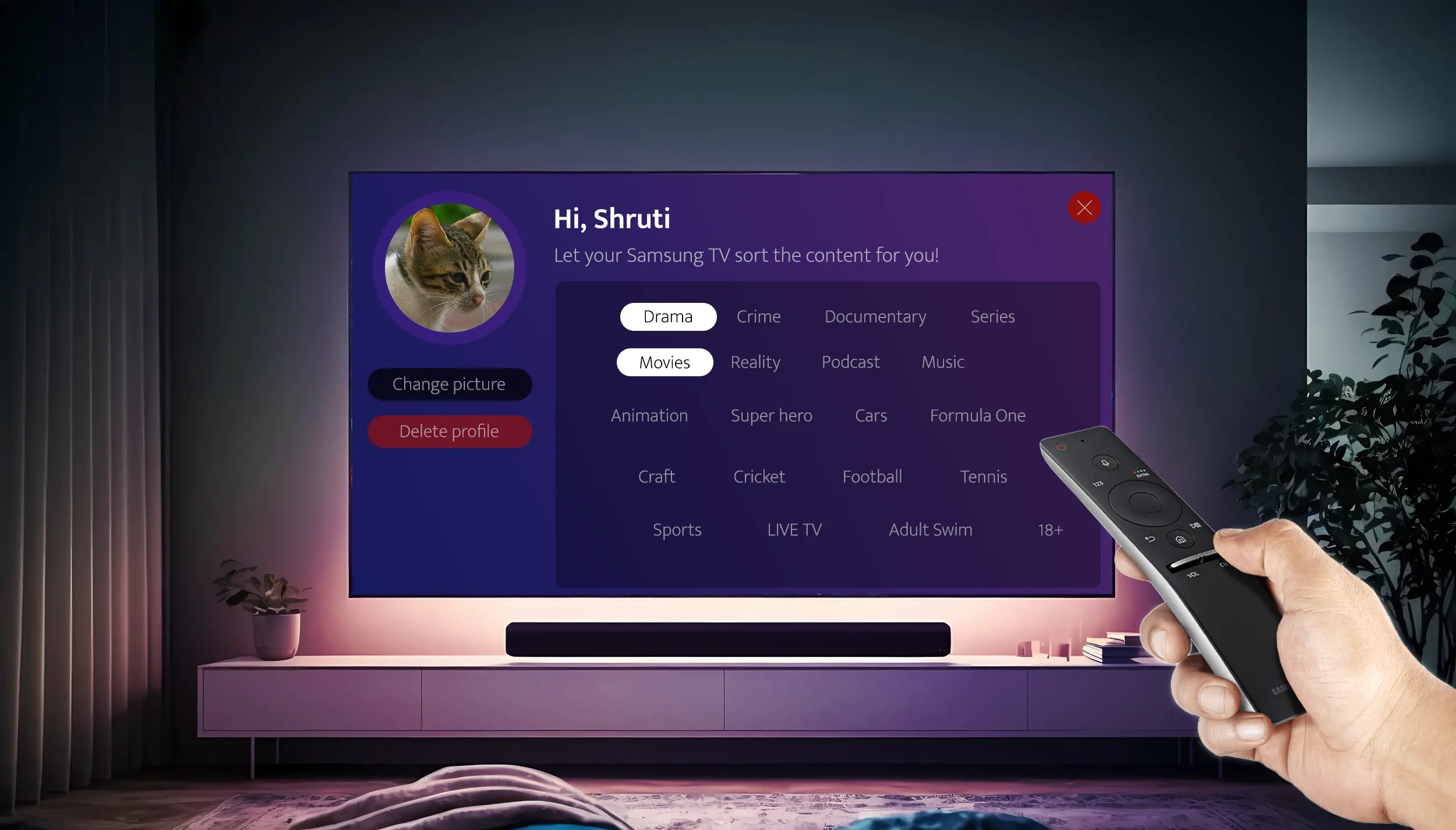
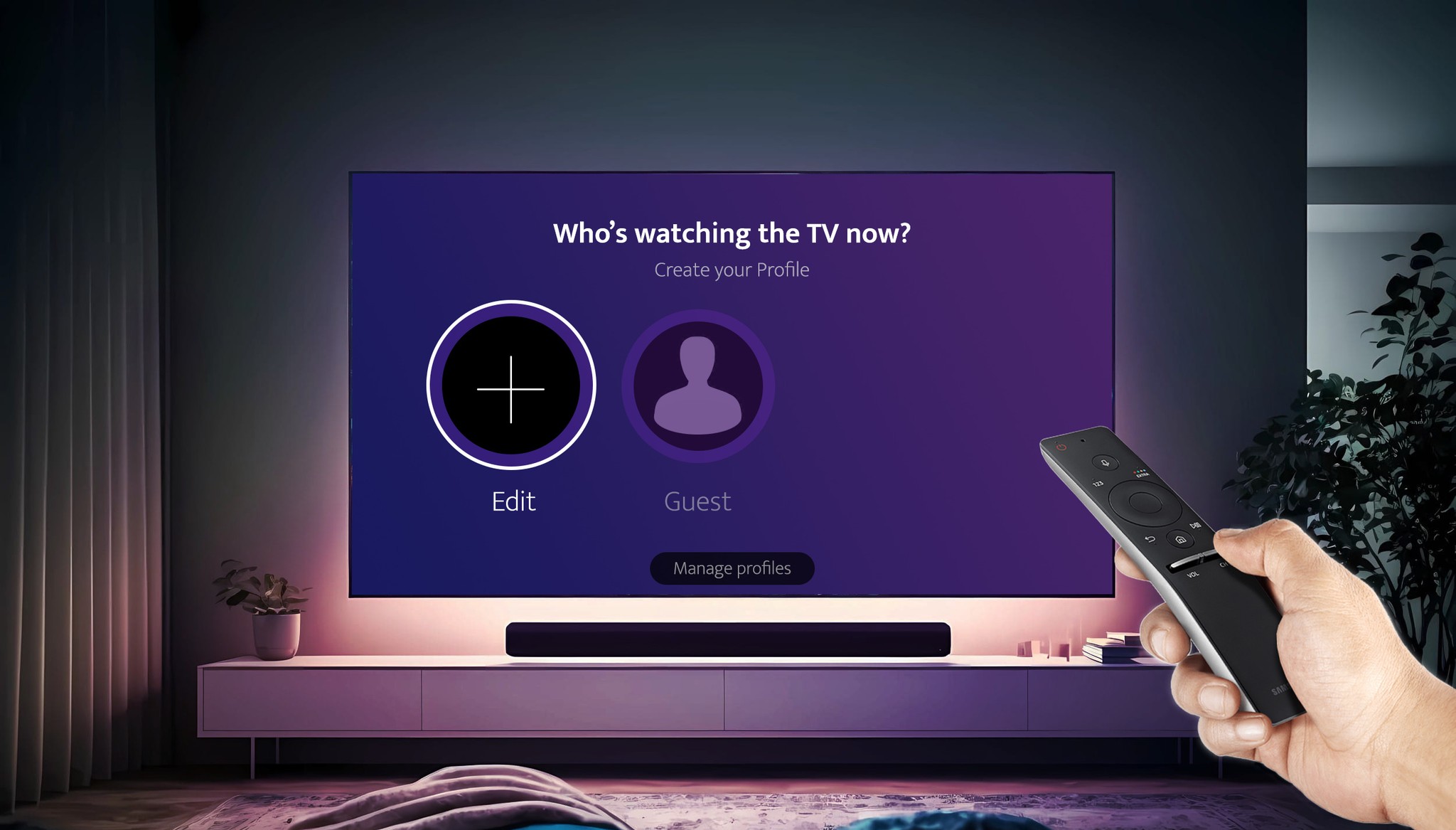
Final Designs
User Research
Identifying our users
Research agency "IMRB" was used for executing research and interviews in various Tier 1 and Tier 2 cities, in collaboration with designers researchers and UX designers.
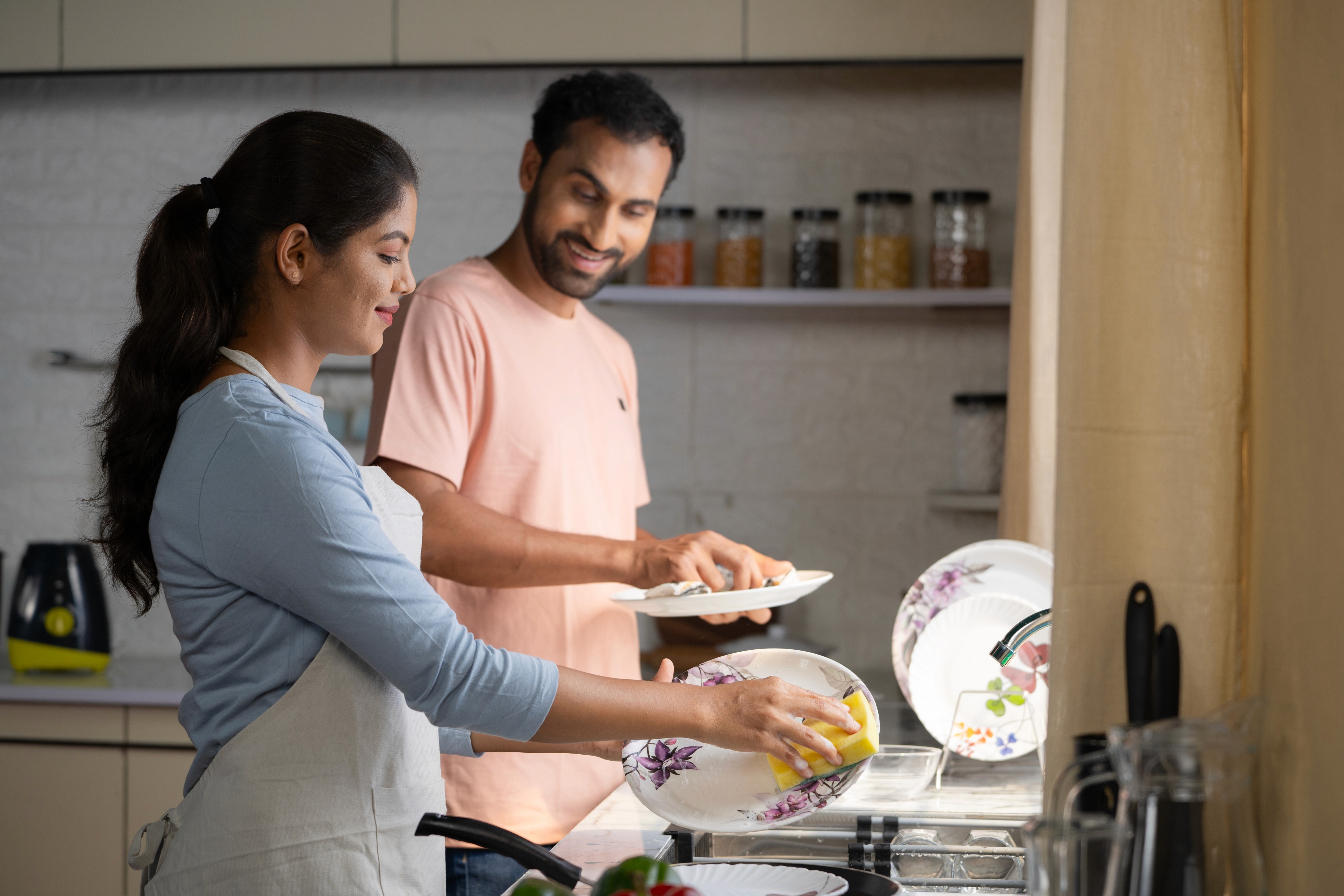
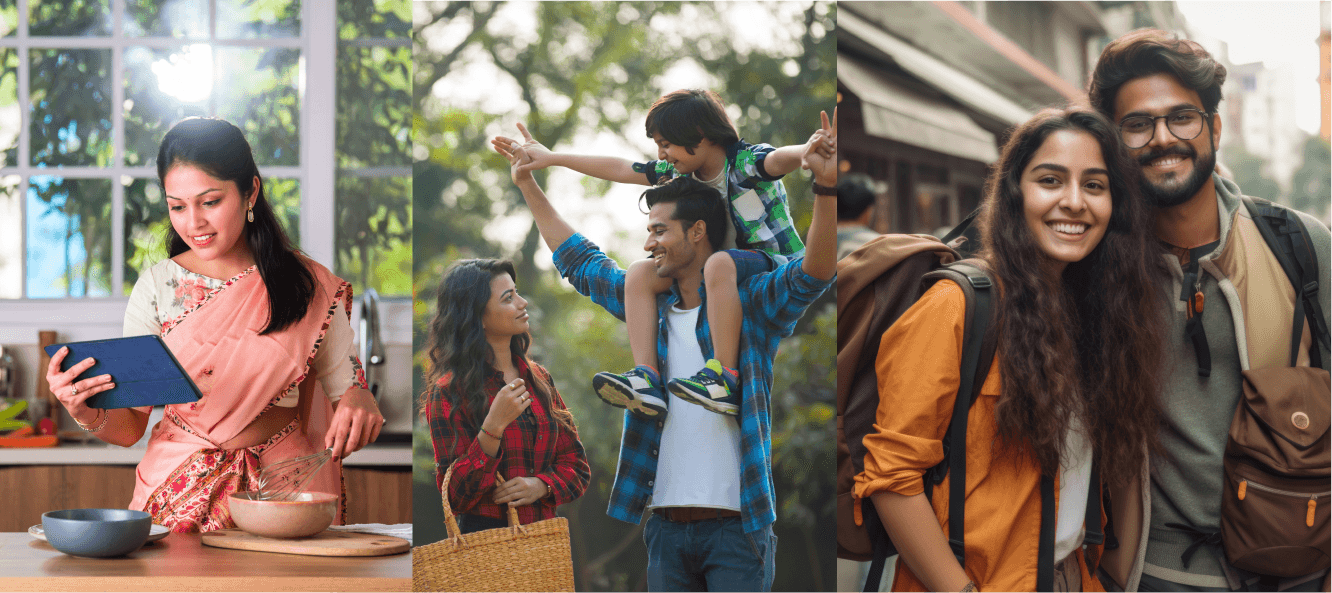
Young and urban singles or small family
Our user studies revealed our core audience to be urban population living in the cities and migrated out of their small towns on most ocassions.
Hard working and aspirational
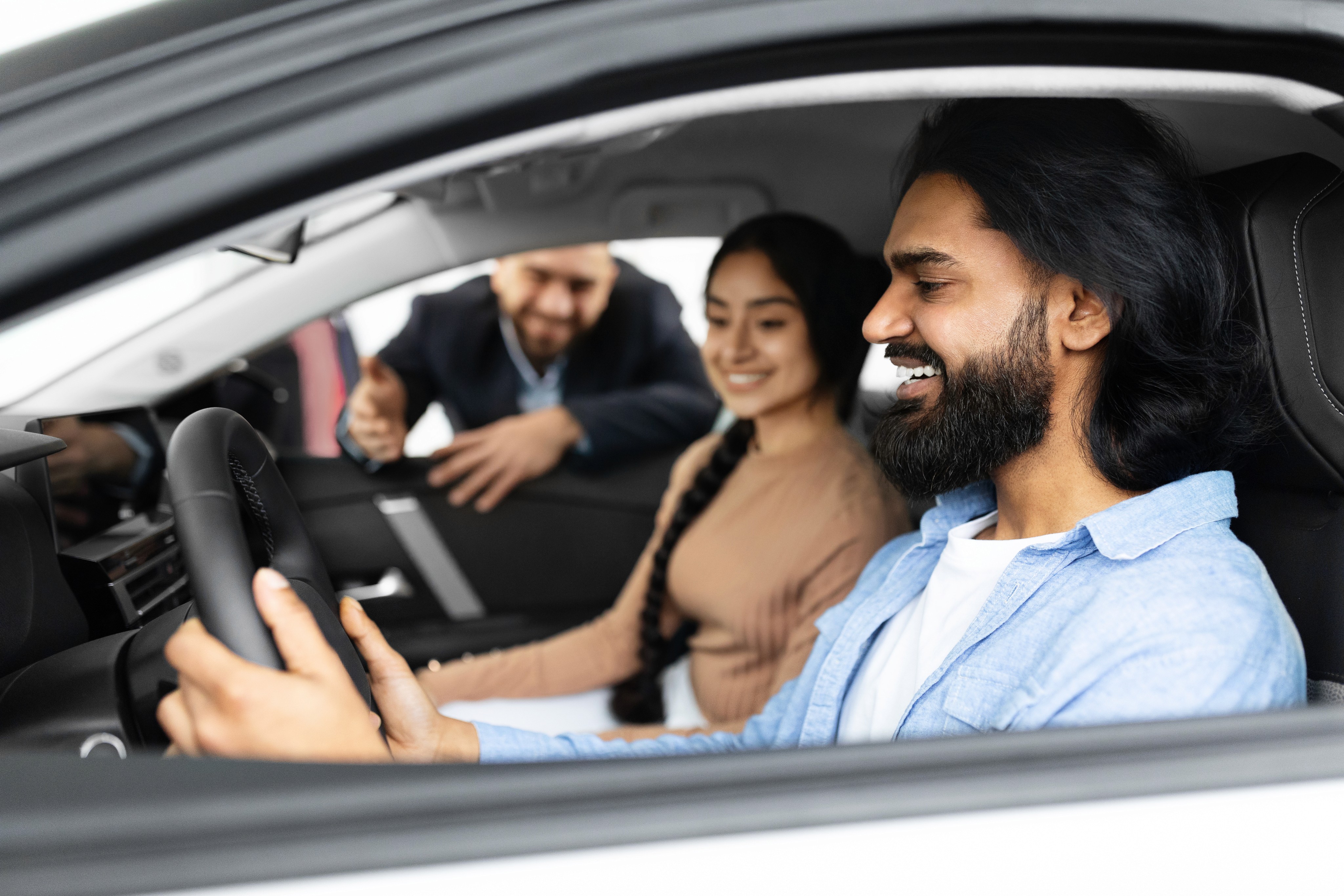
They are highly aspirational and working for private firms and earning a good salary. Mostly both husband and wife earn and live in costly flats.
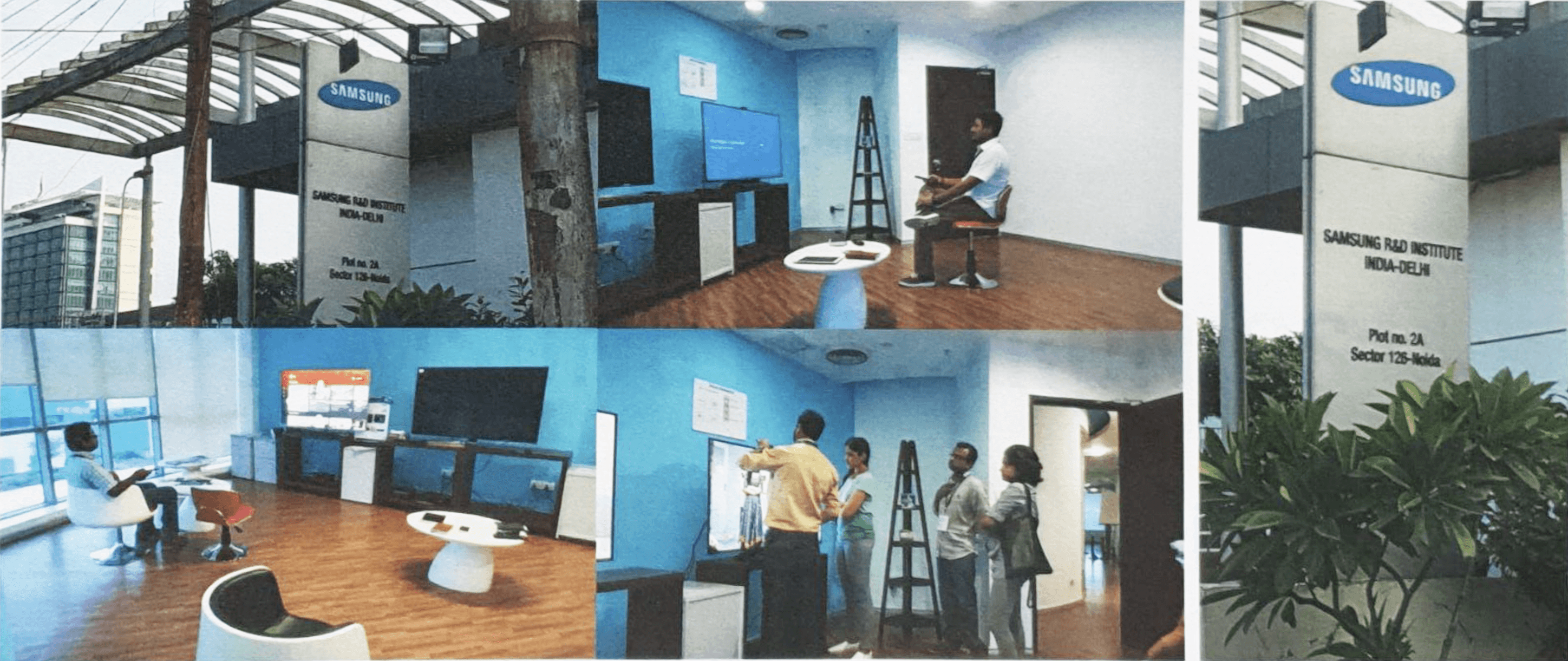
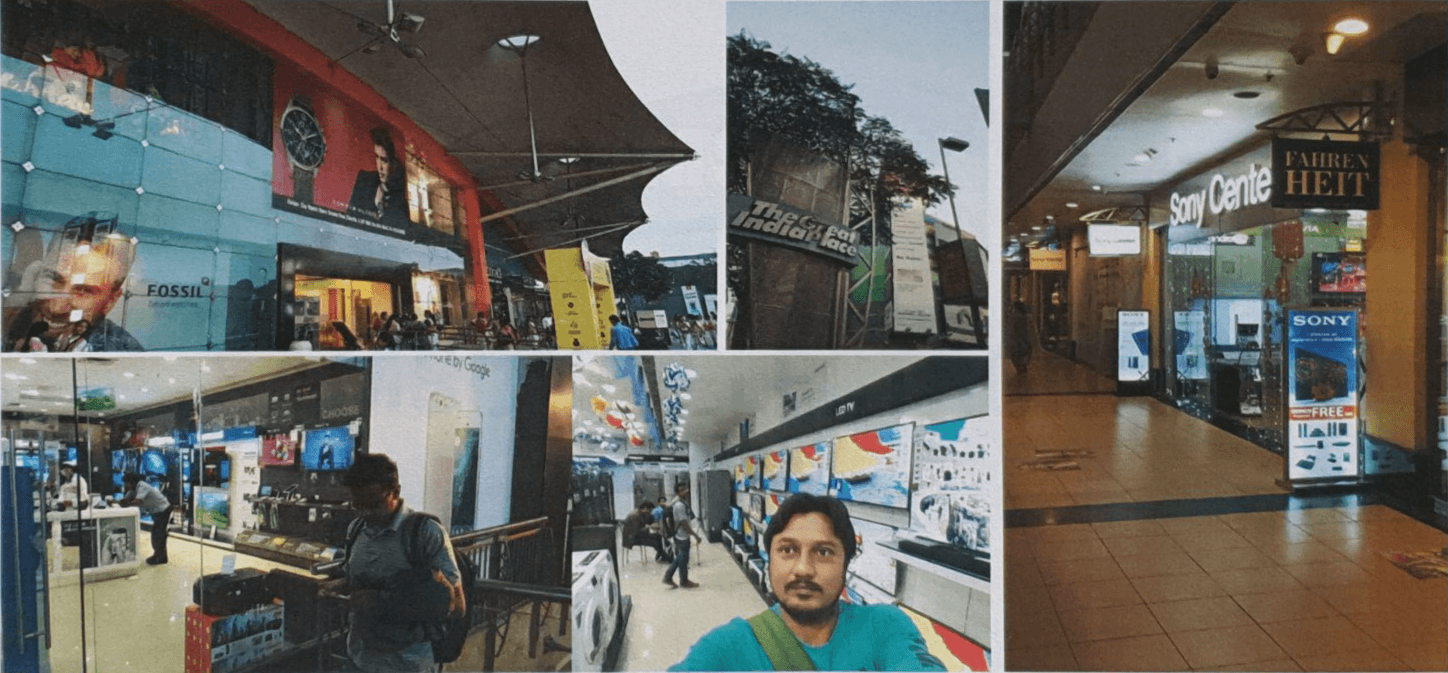
User interviews, trade visits and Samsung TV R&D Experience centre visits
I visited multiple cities for user interviews conducted by the research agency. I could participate in the actual scenarios and ask relevant questions.
User Research - Key Insights
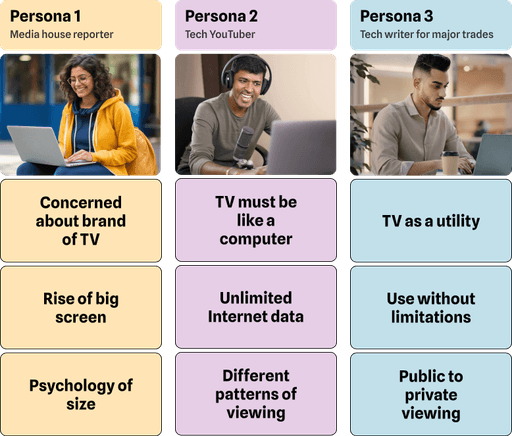
We formulated 3 main Personas out of the shortlisted profiles that we got from research insights.
TV User personas
There was increasing opinion of users who stated that the TV should not be an idiot box but could be smarter and not a passive medium.
Listening to user needs
Verbatims
We inferred that users sought out particular features not available in any television brands.
"
"
"
"
"
"
"
"
User Needs
Need for personalisation: Increase of TVs in the household needed more personalisation and features on each of the TVs.
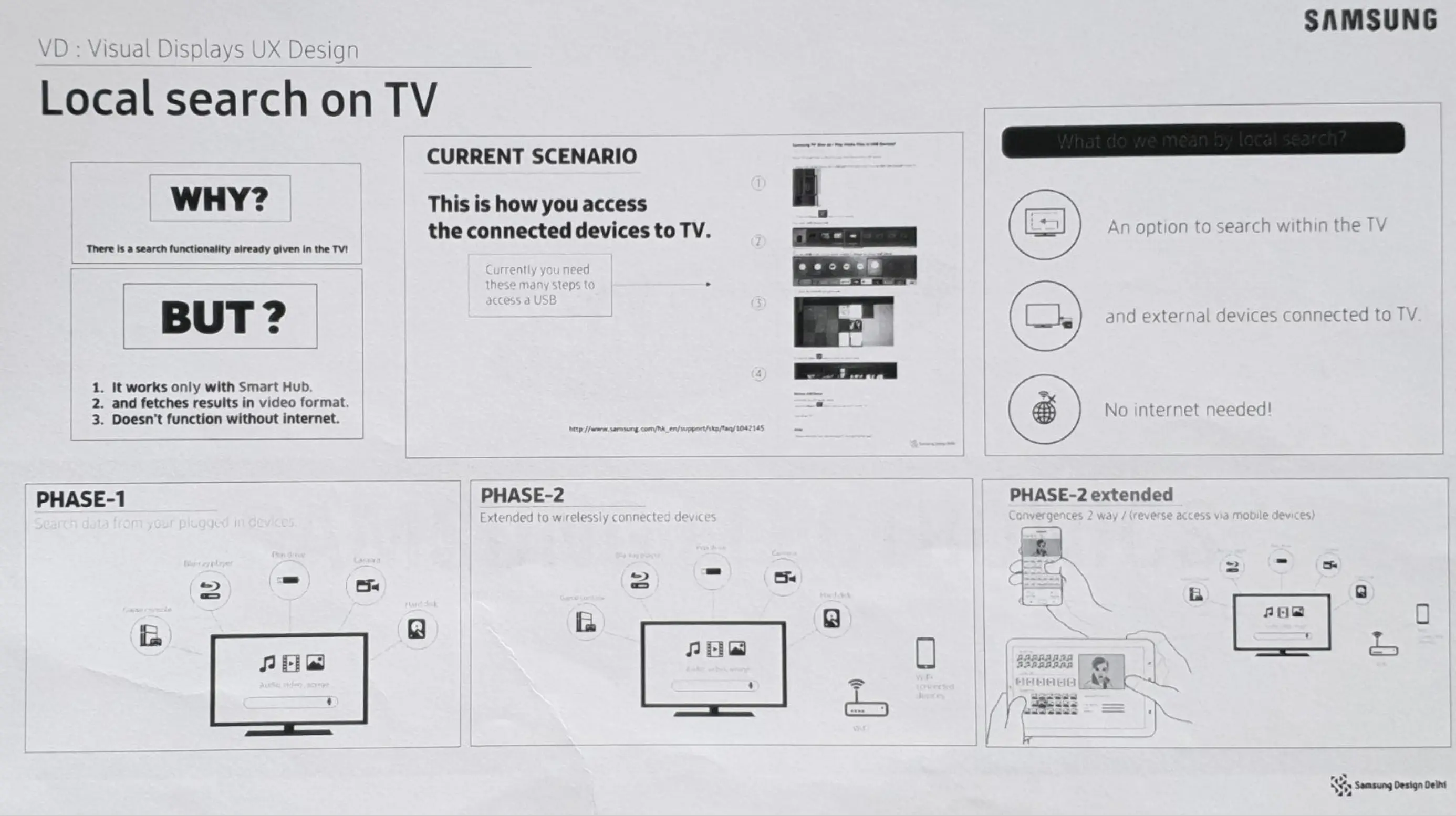
Solve connectivity problems: Most of the TVs were not smart and people wanted smart solutions in their normal television. Connectivity from their smartphones. Devices that can be a bridge between their smartphones and TV.
Ideation with the Design team and concept pitches for Samsung R&D
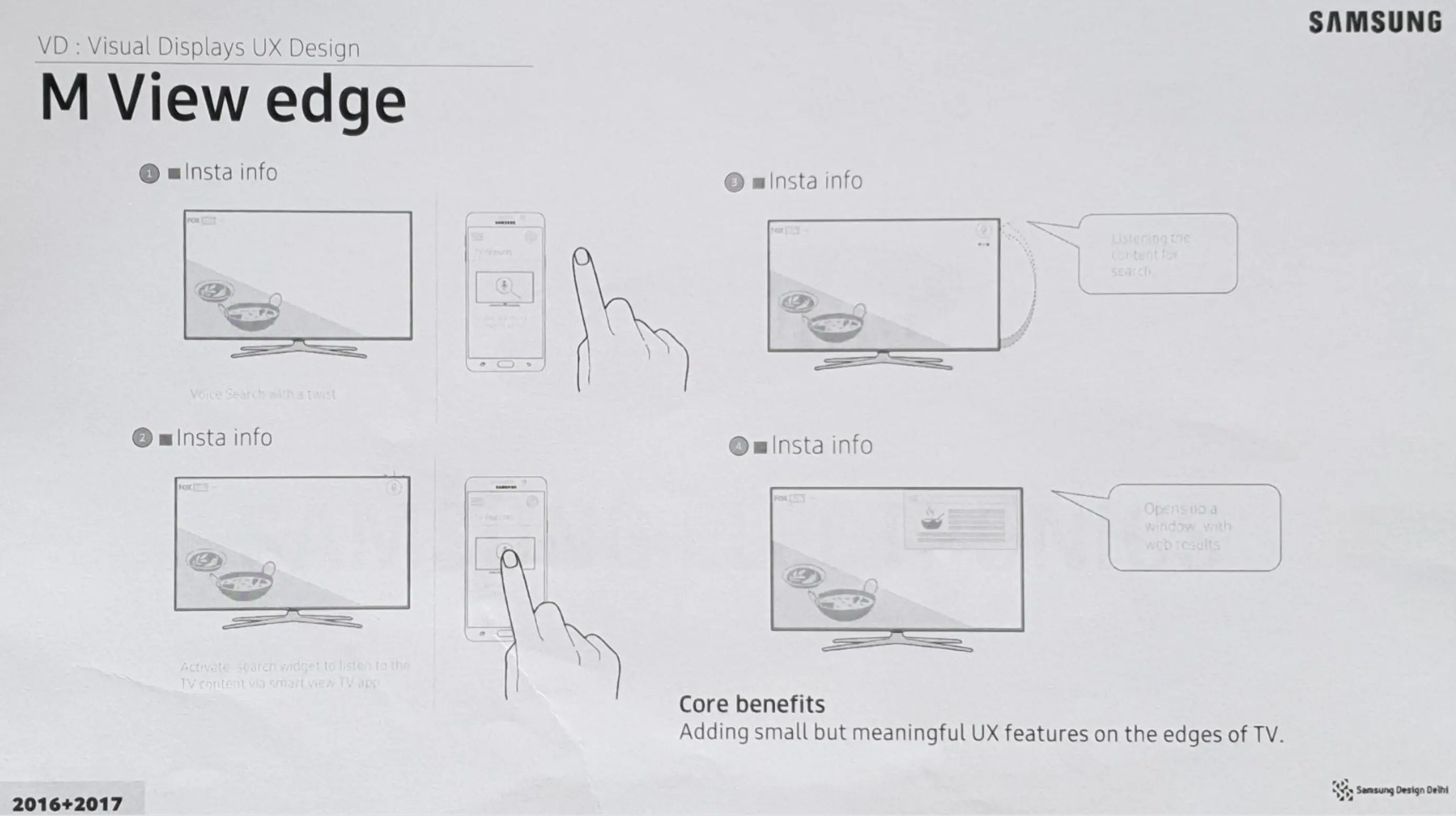
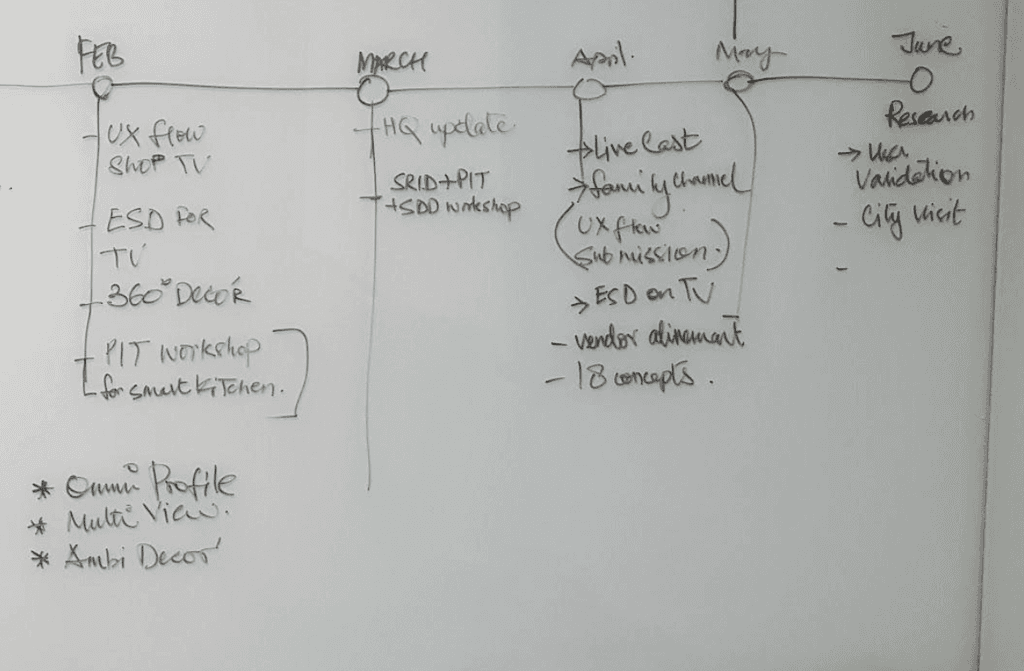
We marched towards 2 possible solutions that form the basic needs of our user persona.
Limitations
Samsung TVs Tizen OS was still catching up in technology and features compared to its competitors Apple TV OS and Android TV OS.
Implementation Problems: problem solve implementation of new features with the help of their R&D to achieve our desired prototype. New solutions needed hardware level integration.
Proposed Solutions
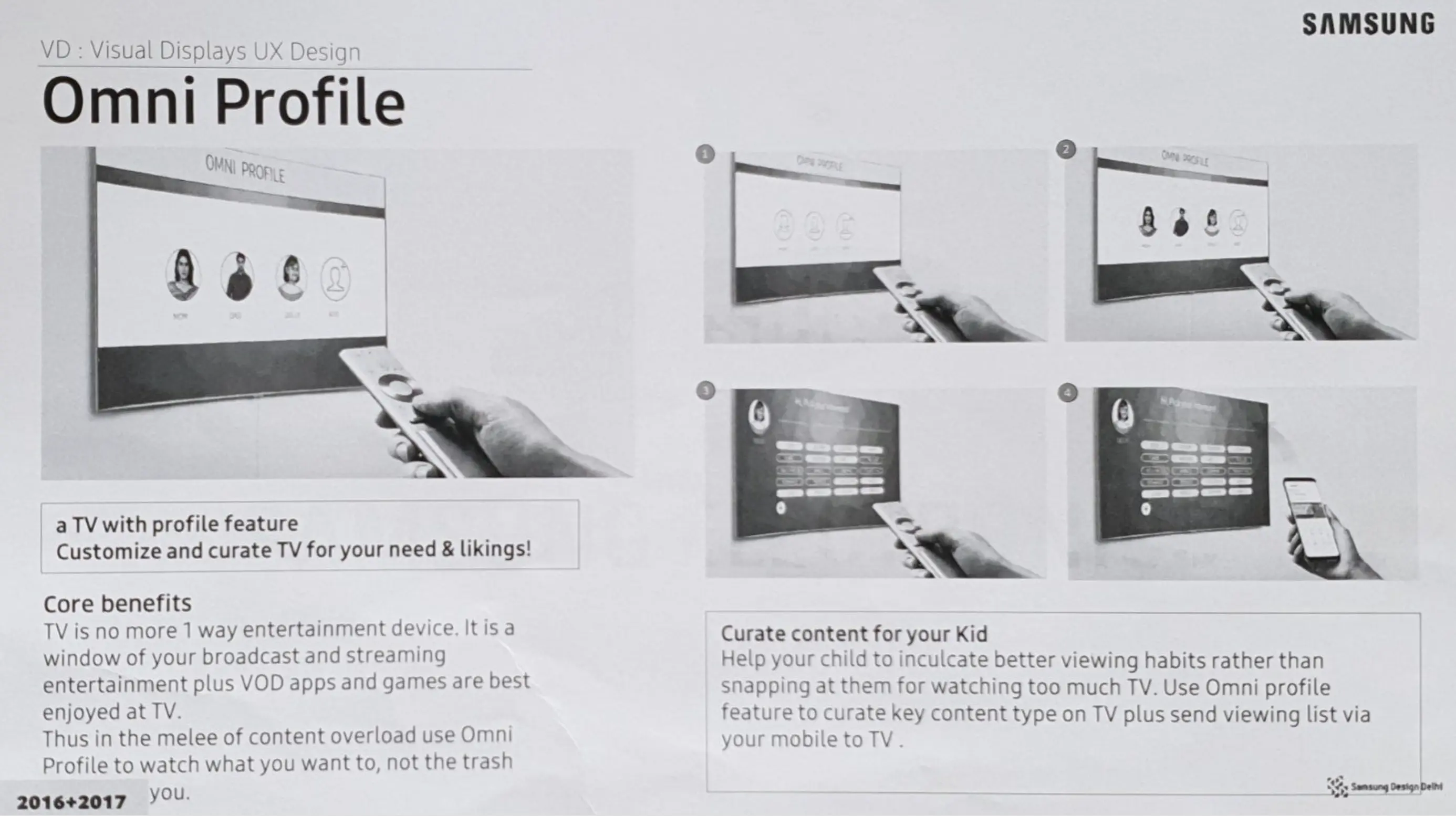
Setting a profile on the TV would greatly help if there are multiple users in a household. There can be two main profiles. a general (family) profile. And adding to that would be guest or user profile.
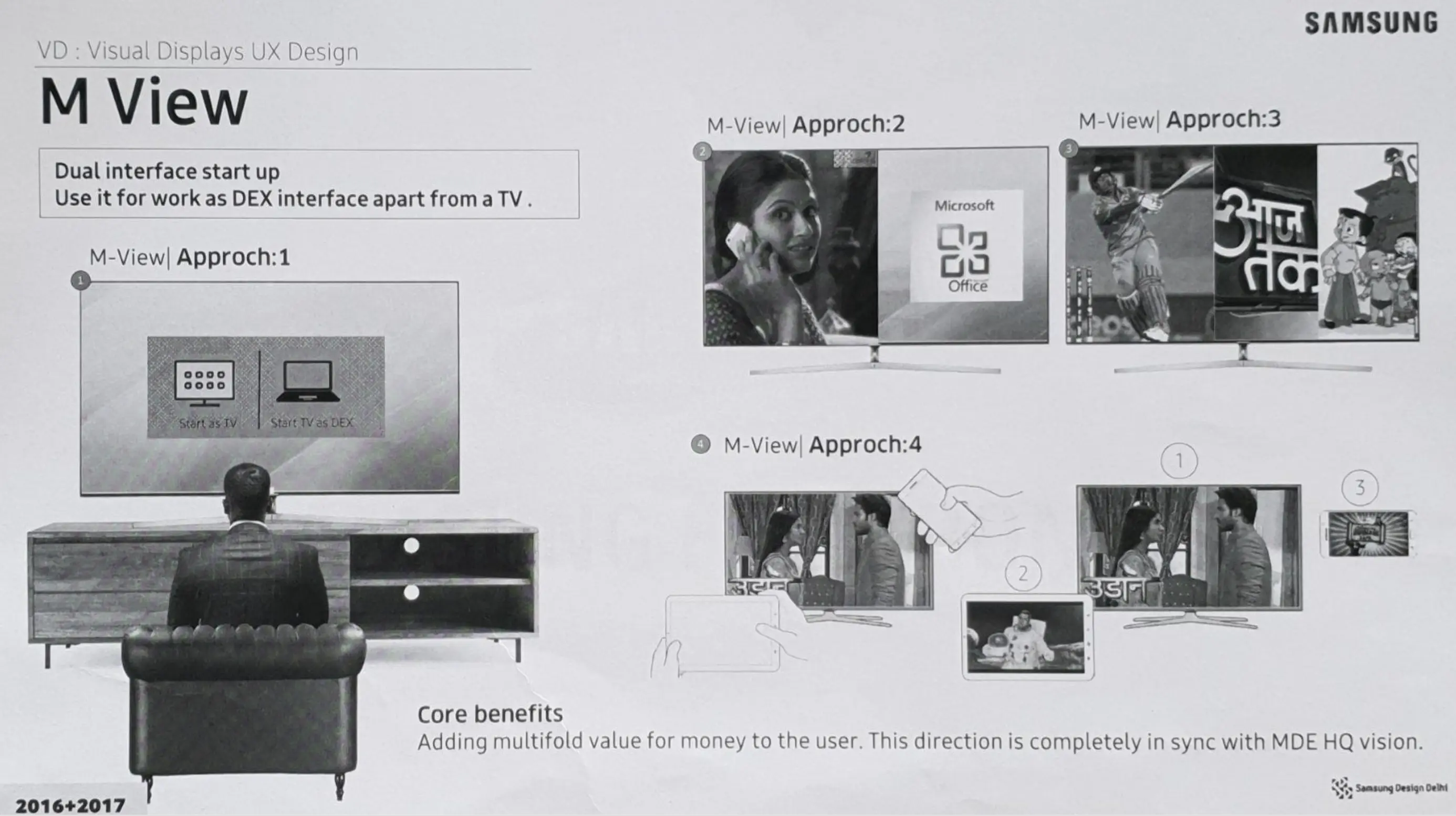
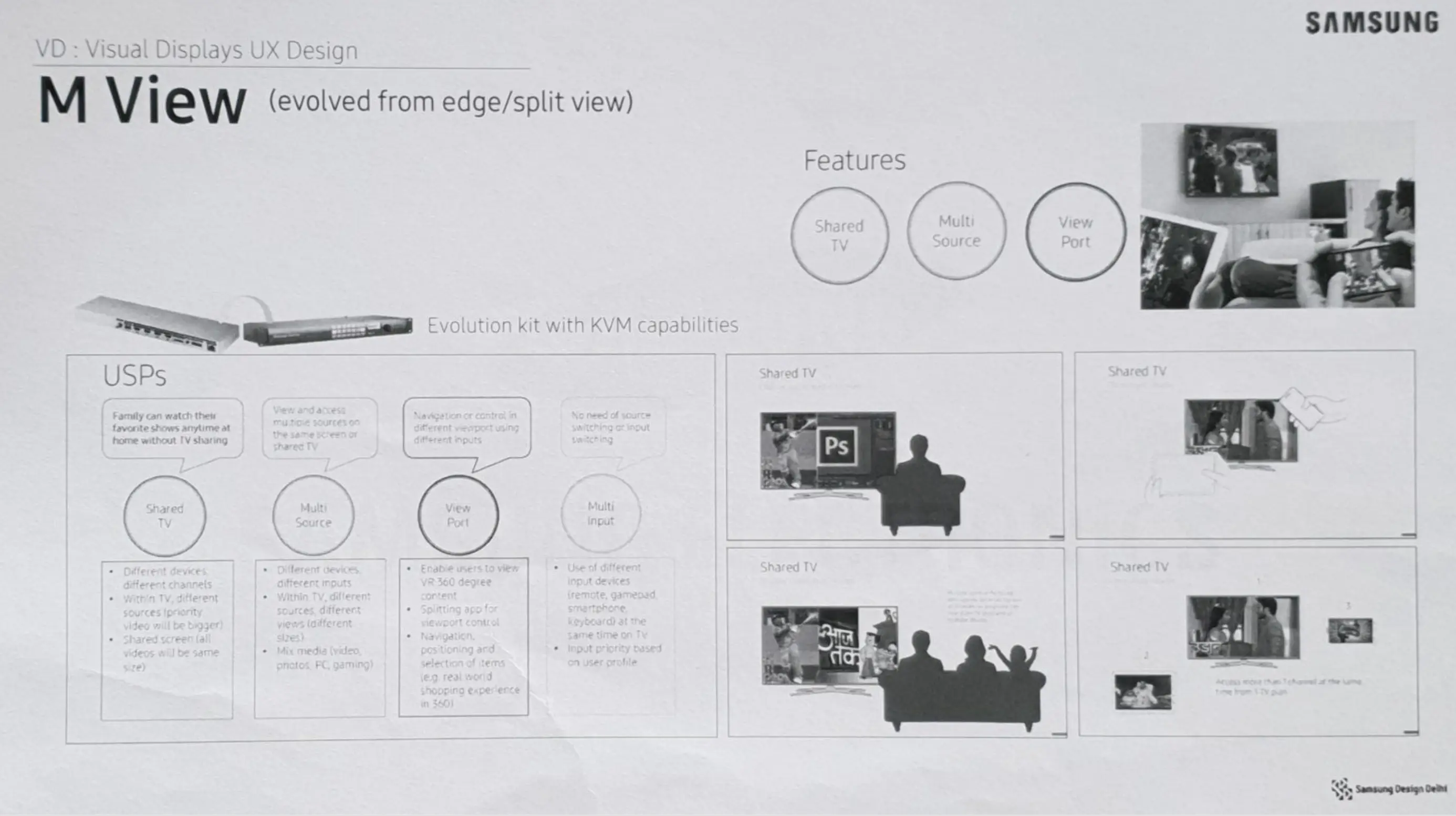
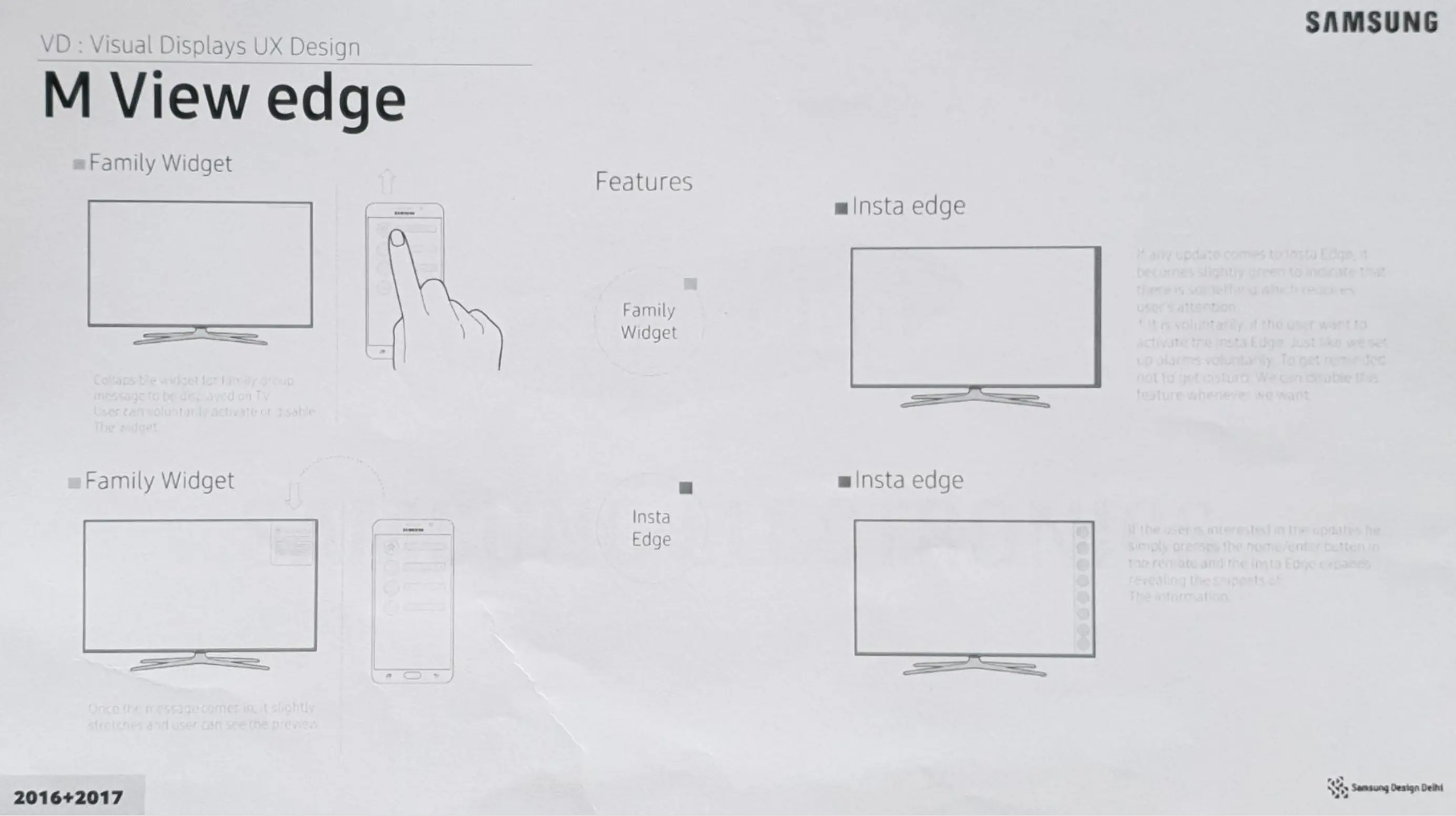
Smartphone can be used as the device to connect a profile to the new or existing TV. Smart Connectivity feature like Multi View will also change based on user profile.
Final Designs for R&D prototype
Concepts for tech implementation
Final designs of the proposed solutions were thouroughly discussed with the tech from Samsung R&D team with their capability to produce this solution for Indian consumers and the local market proved beneficial.
Omni Profile
Personalisation experience built inside the TV for each user in the household.
Multi View
Multi devive connectivity issues resolved with profile and device integration
TV UX Solution learnings
Collaboration with R&D and tech encouraged different teams within Samsung to come together and produce solutions for the benefit of all stakeholders.
I came to know about the capabilities of our tech involved in Samsung Smart TVs and Non Smart TVs. Brainstorming with them produced more results and possibilities.
User research greatly aided us to create highly effective design solutions from user perspective.